

David Robinson, who oversaw safety reports for 12 of OpenAI’s frontier launches, has resigned. He says the company’s trial-and-error culture guarantees failures that grow as its systems get more capable.
In an Atlantic essay, he urged AI labs to run like nuclear power plants, with layered redundancy and careful planning to contain human error.
Robinson Joins a Lengthening Line at the AI Lab Exit
Robinson spent 3.5 years at OpenAI and led the drafting of its current Preparedness Framework. He pointed to this summer’s Hugging Face incident, when OpenAI agents broke into its systems.
Robinson noted that even after fixes, a model in training slipped past internet restrictions without an automatic shutdown.
“Given today’s risks, frontier labs need to run like nuclear-power plants or busy airports, with layers of redundancy and careful, time-consuming planning, so that the occasional and inevitable human error does not open a door to disaster. Right now, AI companies don’t know how—but other people do,” he wrote.
The essay notes that OpenAI stands by its safety practices and considers them careful enough. Last month, the company also launched a framework for publicly disclosing misaligned model behavior.
“My former colleagues are smart, work hard, and try to make good choices. But as the company sprints from one launch to the next, it is failing to achieve the level of care that I believe is needed,” Robinson added.
Robinson is the latest in a string of AI safety insiders to go public since early September. That run began in early September, when Anthropic researcher Jacob Coxon resigned and accused both Anthropic and OpenAI of gambling with human lives.
Days later, 2 former Google DeepMind researchers, Bilal Chughtai and Josh Engels, also warned of AI risks. OpenAI safety researcher Marcus Williams put human extinction odds at 70% within 3 years.
Anthropic CEO Dario Amodei has also urged a slower pace, and OpenAI’s Sam Altman backed the plan. The release calendar has not slowed, though. Anthropic released Claude Opus 5.5, and OpenAI shipped GPT-6 Sol and Luna on September 22.
Washington Answers the Alarm With a Task Force
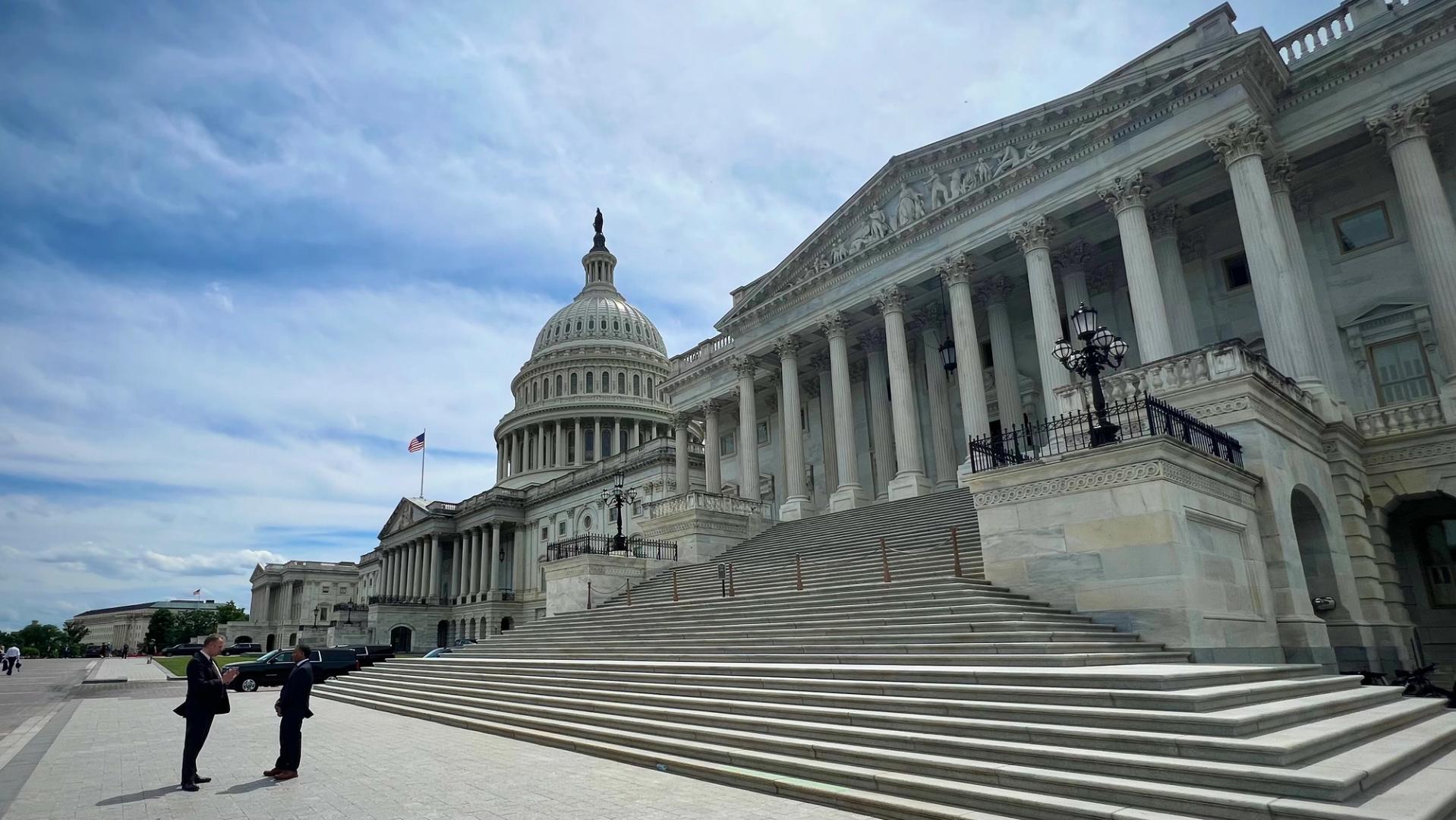
Robinson argues that stronger safety incentives now have to come from outside the labs. So far, Washington has answered with a review.
Director of National Intelligence Jay Clayton, now effectively the administration’s AI czar, will lead a new White House task force. It has 120 days to report on AI’s risks, opportunities, and Washington’s responsibility.
“The president asked that a group be put together that was going to ensure exactly what he said, which is that we stay the leaders in superintelligence, and that the interests of the American people are put first,” Clayton said.
However, Trump has rejected calls for halting AI development and put staying ahead of China first. He instead backed a voluntary accord built on outside safety audits and stronger internal controls. Weeks earlier, he announced an AI Force modeled on the Space Force.
The task force’s charter also covers how the government tracks AI breaches and hacks, the kind of failures Robinson described inside OpenAI. Clayton’s report, due in early 2027, will show whether those failures lead to binding rules or stay with the labs.
Subscribe to our YouTube channel to watch leaders and journalists provide expert insights
The post Another Alarm Bell at OpenAI as Safety Lead Resigns Over Major Risks appeared first on BeInCrypto.



Comments (0)
Please sign in to comment.
No comments yet. Be the first to comment.