
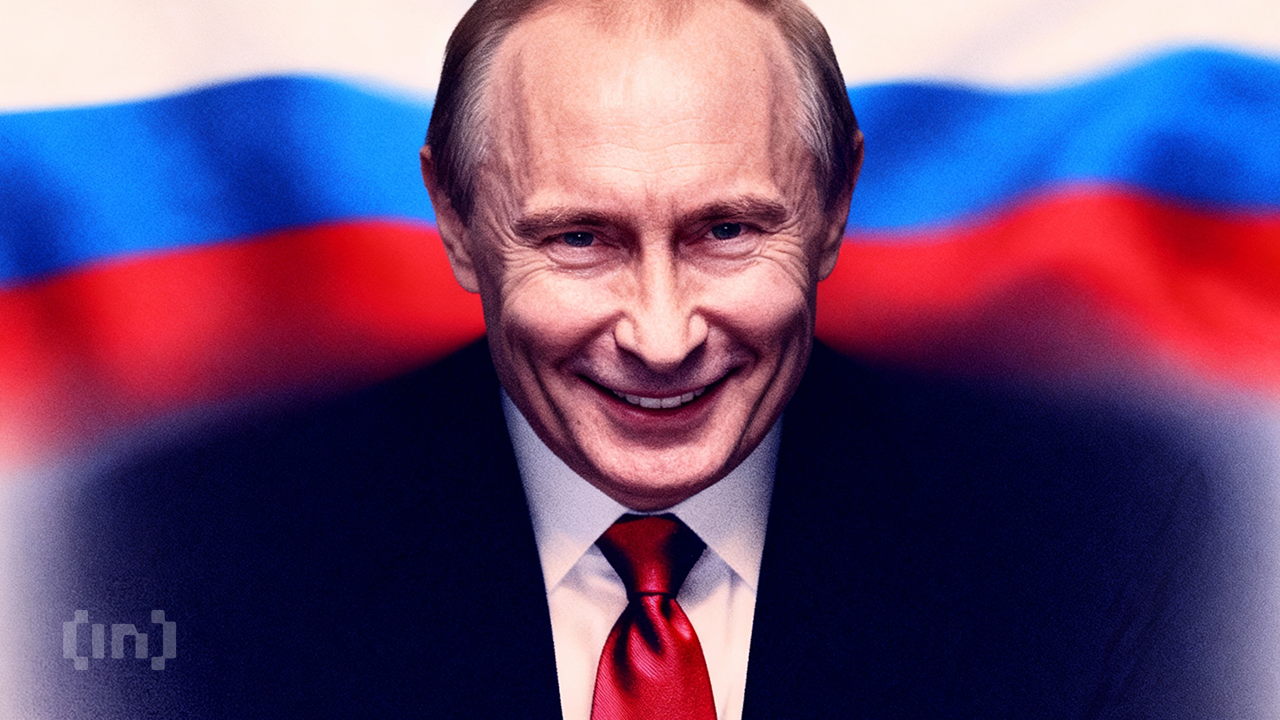
Russian President Vladimir Putin has signed a sweeping crypto regulation law, creating a licensed framework for digital asset trading. The law permits bitcoin (BTC) and other digital assets for cross-border trade starting September 1, 2026.
The measure gives Russia its first comprehensive legal structure for digital currencies. Regulators previously left crypto activity in a legal gray area with little oversight.
How the New Russia Crypto Regulation Works
Crypto exchanges, brokers, and custodians operating inside Russia must register with the central bank, known as the Bank of Russia, according to TASS. Registered platforms need at least 15 million rubles in minimum capital. They must also join a self-regulatory organization for the financial market. The Bank of Russia will phase in full registration requirements through July 1, 2027, giving existing platforms time to comply.
The requirement follows the passage of a sweeping crypto bill in July. Russia’s lower house of parliament, the State Duma, cleared the bill’s final readings the same day.
The law also defines what counts as active trading. Regulators set the bar at two or more transactions in a month worth a combined 3.5 million rubles or more. The threshold separates licensed market makers from occasional, one-off sellers.
Only select cryptocurrencies qualify for public trading under the law. Assets need an average market capitalization above 5 trillion rubles. Daily trading volume must also exceed 1 trillion rubles over two years. Bitcoin, Ethereum (ETH), and the stablecoin USDT currently meet that bar.
Anatoly Aksakov, chairman of the Duma’s Financial Markets Committee, defended the licensing rules ahead of the signing.
“Mass use of anonymous wallets and the gray circulation of cryptocurrencies contradict the idea of a legal market,” — Aksakov said.
The law builds on a narrower measure that already let companies settle foreign trade crypto payments starting July 1. The new statute consequently widens that channel into a full licensing regime rather than a temporary workaround.
Retail Limits and the Domestic Payments Ban
Retail access comes with tighter conditions than institutional trading. Non-qualified investors, essentially anyone who has not passed a required knowledge test, face annual purchase limits. The law caps each investor at 300,000 rubles, worth roughly $3,690, per licensed intermediary, every year. Non-qualified investors make up an estimated 98% of Russia’s retail investor base.
Domestic payments for goods and services remain banned. Officials argue the restriction protects the ruble’s stability. Wider domestic crypto use, they say, could weaken demand for the national currency.
The push toward legal crypto exchange also reflects sanctions pressure. European Union sanctions packages have progressively squeezed Russian access to global finance.
Russian experts remain split on how the domestic industry should respond. Meanwhile, new EU sanctions have made crypto services harder for Russian users to access. An earlier package specifically targeted Russia’s crypto sector.
The new law, therefore, positions state-licensed crypto rails as a controlled outlet. It offers a channel for trade that Western sanctions have otherwise restricted.
The comparison with Washington is stark. The Senate Banking Committee advanced the CLARITY Act, a market structure bill for US crypto exchanges, by a 15-9 vote in May. That bill still needs full Senate floor passage, reconciliation with a competing House version, and a presidential signature, and several roadblocks remain before it takes effect. Russia’s crypto regulation, by contrast, is already signed and takes effect on September 1.
The post Russia Outpaces US in Crypto Regulation: What the New Law Mandates appeared first on BeInCrypto.




Comments (0)
Please sign in to comment.
No comments yet. Be the first to comment.