
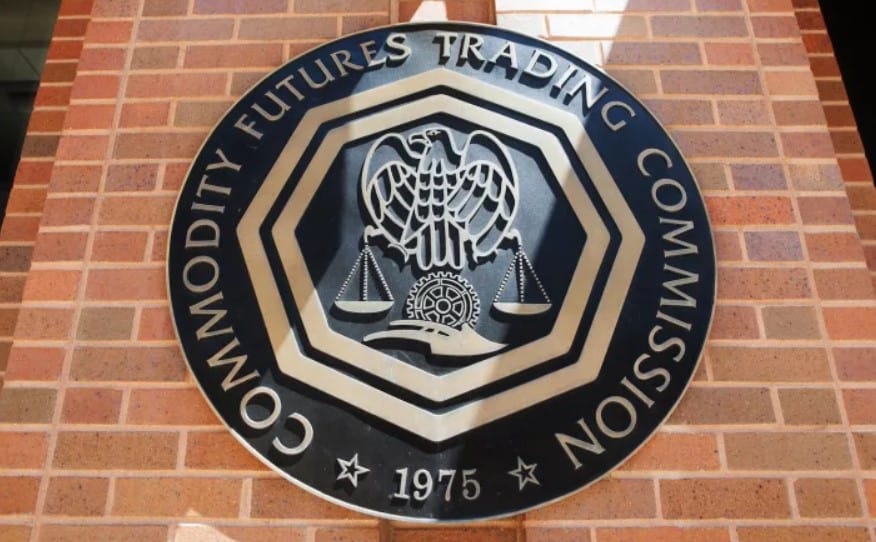
The Commodity Futures Trading Commission (CFTC) is reportedly reviewing unusual trading on Kalshi’s Ethereum perpetual futures market. This is according to The Wall Street Journal (WSJ), which found close to one million trades clustered around the same $5,500 order size since August.
The pattern, which the WSJ said accounted for more than $5 billion in volume, has drawn allegations of wash trading that Kalshi flatly denies, arguing the repeated sizes stem from ordinary market-making activity.
What the Trading Data Shows
In a September 22 report, the WSJ said it had found that more than a third of trades in the market over recent weeks clustered around that same $5,500 figure, although Kalshi’s public data does not disclose who is behind individual trades. According to them, the CFTC is reviewing the activity before deciding whether to open a formal enforcement investigation.
Wash trading, which is the practice of making trades with no real economic purpose in order to create a misleading activity, is the specific concern the clustering pattern has raised. However, per the report, Kalshi did respond, saying hundreds of distinct traders took part and that the repeated order sizes reflect market makers keeping fixed resting orders that faster traders keep hitting.
Additionally, the company said self-trading is mechanically blocked and coordinated, while wash trading is barred and monitored. Also, its liquidity programs pay market makers for holding orders at set sizes and spreads rather than for raw volume.
Meanwhile, a separate, temporary program refunds trading fees to qualifying self-clearing members, though never more than what they paid in.
The report identified Jump Trading and Wintermute as among the firms involved in the rapid trades, although Jump said it trades its own profit and uses self-match prevention tools. Furthermore, the firm insisted that it does not coordinate activity with other traders.
A Pattern of Regulatory Friction
The scrutiny has come at a time when Kalshi is pushing further into perpetual futures, a business it opened to crypto in May and is now trying to extend to contracts tied to individual US stocks.
As CryptoPotato has reported numerous times, the company is already fighting legal battles on several fronts. For one, Baltimore sued Kalshi and Polymarket in August over allegedly offering unlicensed sports betting dressed up as event contracts.
New York Attorney General Letitia James also sought to shut down the firm’s operations in the state before the CFTC used emergency powers to keep the platform running there.
Kalshi has also shown it will police its own users when it catches them gaming contracts tied to themselves. It handed former Congressman George Santos a lifetime ban and a $71,356 penalty in late August after finding he traded on whether he would attend the State of the Union, and it separately banned three political candidates for five years each earlier this year after they bet on their own races.
The post Report: CFTC Eyes Unusual $5B Trading Pattern on Kalshi ETH Perpetuals appeared first on CryptoPotato.




Comments (0)
Please sign in to comment.
No comments yet. Be the first to comment.