
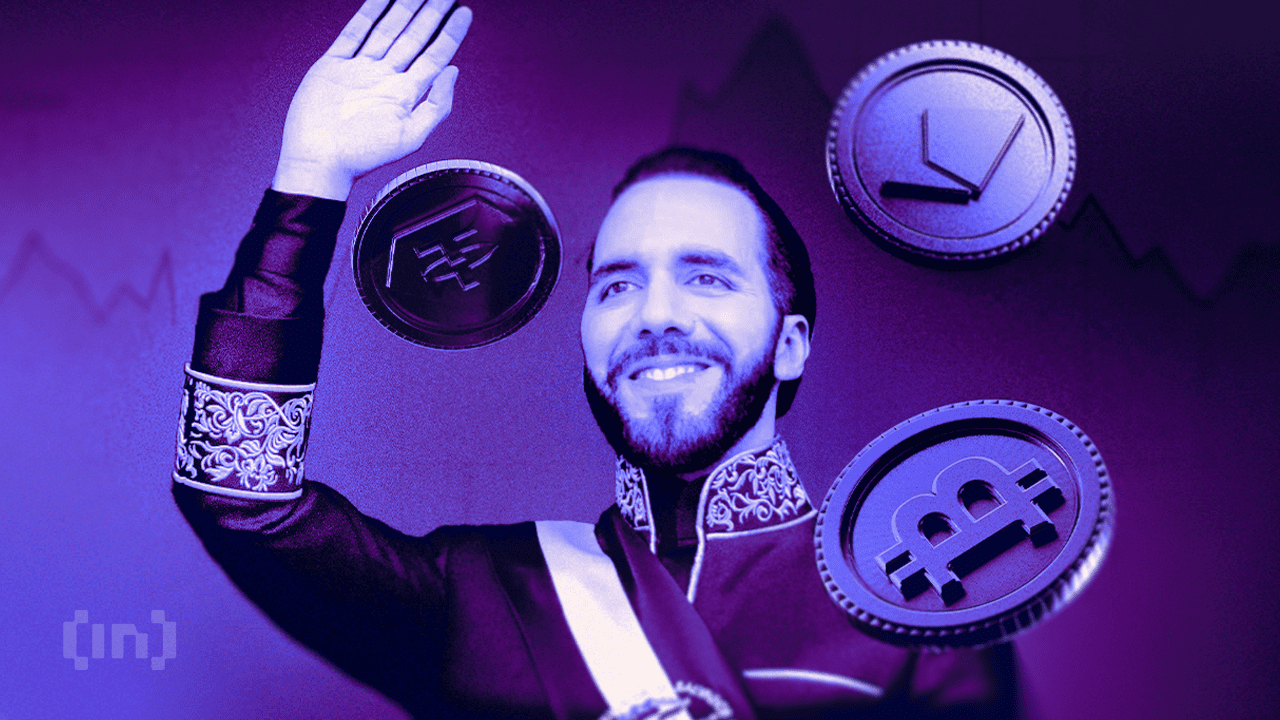
El Salvador is backing a government app that lets citizens send and hold digital dollars. The app runs on stablecoins, not Bitcoin (BTC).
Five years ago, President Nayib Bukele made El Salvador the first country to accept Bitcoin as legal tender. It seems the country is now looking to shift towards a more stable form of crypto.
I’ve just sent the #BitcoinLaw to Congress 🇸🇻 pic.twitter.com/DljnxsXlyt
— Nayib Bukele (@nayibbukele) June 9, 2021
What the El Salvador Stablecoins App Does
The app, called Sivar, is built by Modveon, a Palo Alto startup that came out of stealth on Tuesday, Bloomberg reported. Its payments run on Base, a blockchain network built by US exchange Coinbase.
Salvadorans sent $9B home last year. Percentage fees took millions of it.@Modveon's Sivar now uses Coinbase infrastructure and Base to let US users send any amount to El Salvador for a flat $2.
— Coinbase 🛡️ (@coinbase) September 29, 2026
Transfer to off-ramp, all included. pic.twitter.com/a5b2na5lJ0
Users first verify with a government ID. The app then places them in local groups based on their home address.
From there, they can send money, post content, and join live polls. Salvadorans living abroad can also vote in local elections.
Modveon CEO Nana Murugesan says El Salvador is the firm’s first national deployment. The five-year contract carries a multimillion-dollar fee the company did not disclose.
The post has since been deleted.

Why Bitcoin Payments Failed to Catch On
Bitcoin never became everyday money in El Salvador. Around 92% of Salvadorans said they had not used it in 2024, a University of Central America survey found.
The International Monetary Fund (IMF) found only about 1.75% of remittances moved through crypto wallets. Remittances are money sent home by relatives working abroad.
In 2025, reforms tied to a $1.4 billion IMF loan ended Bitcoin’s mandatory status. They also scaled back Chivo, the state’s Bitcoin wallet.
#Cripto en El Salvador | El 92 % de los salvadoreños no utiliza el bitcóin para transacciones, según encuesta. https://t.co/WvJCsDUznx
— El Economista (@Eleconomistanet) October 11, 2024
Is Bukele Giving Up on Bitcoin?
Not for the national treasury, Murugesan told Bloomberg.
“El Salvador keeps embracing Bitcoin when it comes to treasury and as a store of value. But from a money movement point of view, President Bukele is very committed to the fastest, cheapest and most trusted way of moving money, and you can’t beat stablecoins,” Bloomberg reported, citing Nana Murugesan, the CEO of Modveon.
Earlier this month, the IMF said donations, not public funds drove the country’s recent Bitcoin reserve growth.
The money at stake for the new app is large. El Salvador received nearly $10 billion in remittances in 2025, central bank data shows. About 92% came from the US.
Sivar charges US users a flat $2 per transfer home. However, cheaper crypto rails are not guaranteed. A Bank of Italy study found stablecoin remittances no cheaper than banks, with costs reaching 9%.
Bitcoin’s place in the country may also face voters soon. Bukele’s rivals are already challenging his Bitcoin strategy ahead of the 2027 election.
The post Is El Salvador Giving Up on Bitcoin After 5 Years? appeared first on BeInCrypto.


Comments (0)
Please sign in to comment.
No comments yet. Be the first to comment.