Why Did Visa Pay 13x Revenue for How You Type?
Visa (NYSE: V) has agreed to acquire Israeli behavioral biometrics firm BioCatch for $2.4 billion in cash. The sellers are funds advised by Permira and other shareholders. The deal awaits regulatory approval and should close by the end of Visa's fiscal second quarter of 2027. Visa is buying the ability to see fraud before authorization, not after it. BioCatch reads more than 3,000 anonymized behavioral signals, including keystroke timing, touch gestures, and device handling. It covers 1.8 billion devices and 760 million users across more than 350 banking clients in 21 countries.
The commercial logic sits in the revenue mix, not transaction volume. Account takeovers and scams cost the global economy over $1 trillion annually. Generative AI has made those attacks cheaper, faster, and far more convincing. BioCatch crossed $185 million in annual recurring revenue at the end of 2025. It closed more than $20 million in new ARR in the fourth quarter alone. The company added 90 customers during 2025, including Wells Fargo. Three of the four largest US banks by assets already run their software.
BioCatch will fold into Visa's Value-Added Services division, one of the company's fastest-growing segments. Visa has committed over $13 billion to technology and infrastructure across the past five years. The company separately open-sourced its Vulnerability Agentic Harness, an AI pipeline for finding and fixing code vulnerabilities. Both card networks now treat security as a product line rather than an operating cost. Mastercard bought Recorded Future for $2.65 billion in 2024, and this is Visa's largest security deal since Featurespace.
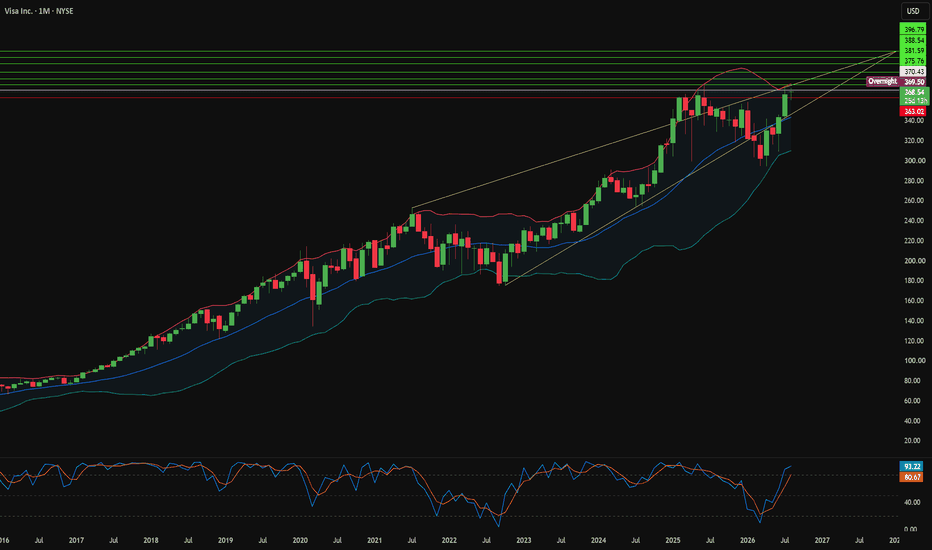
Execution risk deserves attention. The price implies roughly 13 times annual recurring revenue, which leaves little room for a growth stumble. Multi-jurisdiction regulatory review could delay closing well into 2027. Cross-border data rules constrain how biometric signals move between markets. A global cybersecurity talent shortage raises the cost of scaling the platform. Visa still enters this cycle with a strong balance sheet and a defensible strategic direction. Not investment advice. Do your own research.