Will Copper Futures Dictate the Future of AI?
Macroeconomic Signals and Market Drivers
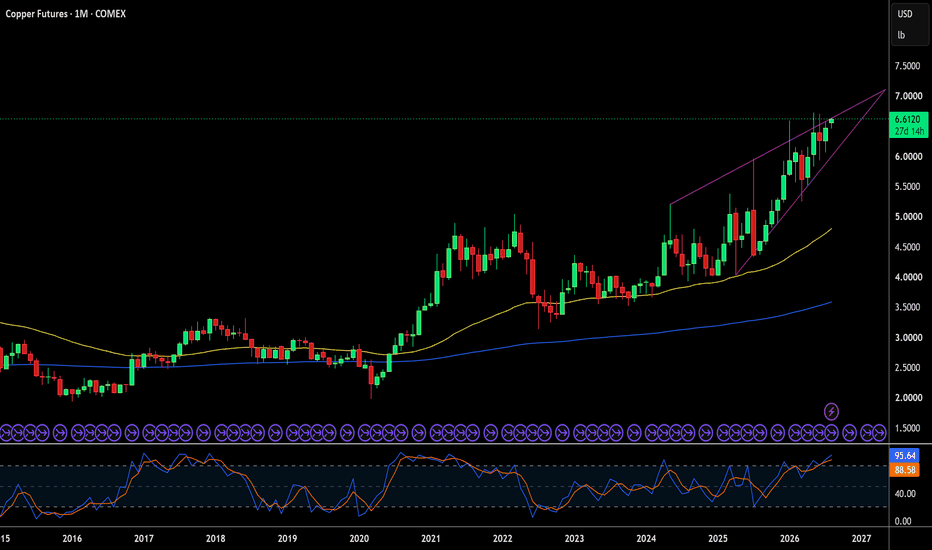
Copper futures recently surged to fresh records, with the London Metal Exchange benchmark hitting an all-time high of $13,842 per metric ton. US COMEX pricing has pushed even higher in dollar-per-pound terms, reflecting the tariff-driven premium between the two markets. The U.S. ISM Manufacturing PMI hit 55.6 percent, its highest reading since May 2022 and a four-year high. Traders often view copper as an accurate barometer for global economic health. Rising demand drives robust market momentum across global derivatives exchanges. Investors flock to copper futures to capitalize on expanding industrial activity. The Federal Reserve, meanwhile, holds rates at an elevated 3.50 to 3.75 percent with a hawkish bias, so liquidity conditions remain tight rather than easing. Consequently, copper prices reflect strong real-world manufacturing demand worldwide despite that tighter backdrop.
Geopolitics and Critical Resource Security
Geopolitical tension heavily influences global metal markets and trade flows. The United States and China compete fiercely for critical physical metal reserves. Accelerated U.S. stockpiling tightens copper supplies in international warehouses. Simultaneously, mine disruptions in Chile and Peru restrict global output. Peru issued emergency decrees to manage severe domestic energy shortages. Nations now classify red metal supplies as critical national security assets. Tariff uncertainties further incentivize buyers to secure futures contracts early.
High-Tech Demands and Industry Trends
Hyperscalers plan over $1.1 trillion in capital expenditures for artificial intelligence. Large AI data centers require thousands of tons of high-conductivity copper. A single gigawatt AI facility consumes tens of thousands of metric tons of copper. Power distribution, cooling systems, and electrical transformers demand vast copper supplies. Electric vehicle expansion and power grid upgrades amplify this structural deficit. This massive structural shift creates highly inelastic demand across global tech industries.
Science, Cybersecurity, and Patent Innovations
Materials science drives modern innovations in copper extraction and refining processes. Recent patent filings focus on bio-leaching and advanced eco-friendly smelting techniques. These patents allow producers to extract metal efficiently from lower-grade ores. High-tech power grids depend on secure hardware connections to prevent cyber attacks. Cybersecurity architecture incorporates hardware-level protections within smart grid equipment. Conductive copper pathways power these physical defensive security modules.
Medical Applications and Biopharma Synergy
Copper plays a crucial role in modern pharmaceutical and healthcare infrastructure. The medical industry relies heavily on copper's proven natural antimicrobial properties. Hospitals install copper alloy surfaces to eliminate harmful pathogens on contact. Biopharmaceutical manufacturing facilities utilize massive copper cooling systems for precise temperature control. Precise temperature management protects delicate biological compounds during mass production. Healthcare expansion continuously drives steady baseline demand for refined copper products.
Leadership and Modern Business Models
Major mining firms like Freeport-McMoRan adapt corporate culture toward sustainability. Executives prioritize long-term capital allocation over short-term production spikes. Producers adopt new business models, securing direct supply agreements with tech giants. Leadership teams navigate complex environmental regulations while expanding operational capacity. Exploration companies like Alma Metals report consistent mineral discoveries to boost supply. Strategic management ensures copper producers remain profitable throughout volatile commodity cycles.