Why Is IBM Betting Its Future on 120 Qubits?
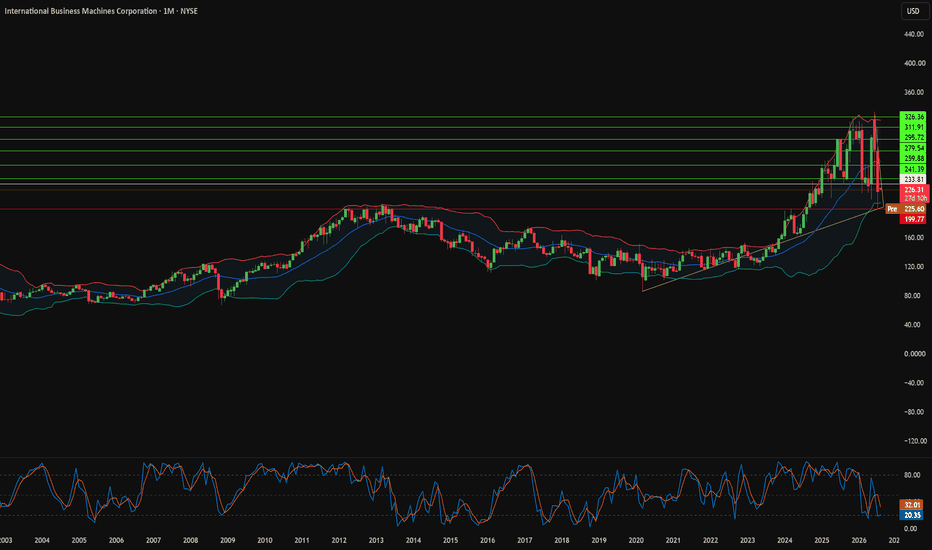
IBM posted $17.2 billion in second-quarter 2026 revenue, a gain of just 1 percent year over year. The headline number understates the transformation underneath it. Management routes hybrid cloud profits into capital-intensive research. Two acquisitions frame the strategy. IBM paid $6.4 billion for HashiCorp to lead multi-cloud automation. It added Confluent to accelerate real-time enterprise AI. Corporate buyers now reallocate budgets toward proprietary software, custom AI, and cloud automation. IBM positions itself directly in that spending shift.
The company applies the same discipline to intellectual property. IBM led United States patent filings for 29 straight years before abandoning that race in 2020. Leadership now sells non-strategic legacy patents and cuts annual maintenance fees. New filings concentrate on hybrid cloud, semiconductors, AI, and quantum systems. The firm holds more than 6,000 AI patent families worldwide, with citation rates that build durable competitive moats. Hardware follows the same logic. The Power S1112 server delivers three times baseline performance and a 69 percent efficiency gain. IBM Autonomous Operations resolves operational issues 15 times faster. Project Lightwell, built with Red Hat and Deloitte, backports security patches without forcing full upgrade cycles.
Quantum computing carries the largest ambition. IBM abandoned the physical qubit count race in favor of circuit fidelity. The 120-qubit Nighthawk processor uses 218 tunable couplers and supports 30 percent more complex circuits. The pending HRL Laboratories acquisition adds silicon spin qubits that operate at 1 Kelvin, slashing cryogenic overhead. The roadmap targets Starling with 200 logical qubits by 2029 and Blue Jay in the mid 2030s. Work with Algorithmiq already demonstrated verified quantum advantage in materials chemistry.
Science and geopolitics complete the picture. IBM, Oak Ridge National Laboratory, and Cleveland Clinic computed nine molecular configurations of FLiBe molten salt on quantum hardware. That salt breeds tritium fuel inside fusion reactors, and classical methods miss its binding energies by 10 percent. Hybrid quantum supercomputing erased that error entirely. Washington now treats advanced computing as a sovereign asset. IBM answered with the Anderon quantum wafer foundry and the SiXworks defense consulting acquisition. The modest revenue line hides a company rebuilding itself around margin, moats, and national priority.