
Why One Paper-Trading Screenshot Cannot Prove an Edge
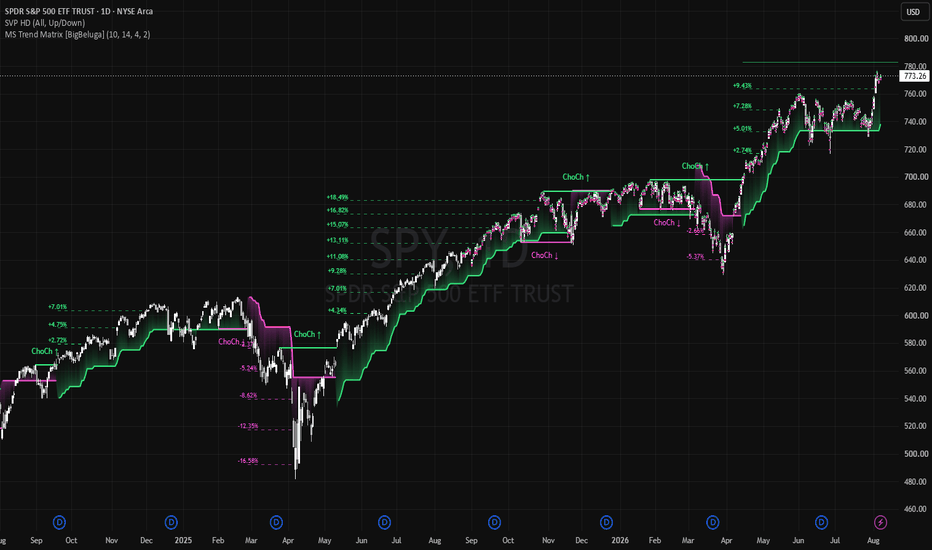
A profitable paper-trading screenshot can be useful evidence, but it answers a much smaller question than most traders assume.
It can show that a workflow ran. It can show the instruments watched, the number of trades, the account state, and the recorded outcome. It cannot, by itself, establish a repeatable edge.
The seven questions behind one screenshot
Before treating a paper result as meaningful, ask:
1. Sample size: How many independent trades and market regimes are represented?
2. Selection: Were losing and ordinary sessions published with the same frequency?
3. Execution: Were realistic spreads, slippage, fees, latency, and partial fills modeled?
4. Capacity: Would the same orders fill at the displayed size in the relevant liquidity?
5. Risk: What were maximum drawdown, concentration, and time exposed?
6. Benchmark: Did the process add value versus a simple benchmark after risk and costs?
7. Reproducibility: Were the rules fixed before the session, or adjusted after seeing the outcome?
What paper trading is actually good for
Paper trading is strongest as a process test. It can reveal whether a trader or system follows entry rules, sizes consistently, manages exits, records decisions, and behaves correctly when nothing happens.
That is valuable. A system that cannot execute its own rules cleanly on paper is not ready for live capital.
But passing the process test is not the same as proving live profitability. Live markets add queue position, liquidity constraints, changing spreads, rejects, disconnects, fees, and emotional pressure.
A better evidence ladder
Evaluate trading evidence in stages:
• documented rules before the test;
• complete paper-session logs, including losses and inactivity;
• repeated results across regimes;
• realistic cost and fill assumptions;
• small, bounded live validation;
• a complete distribution rather than selected screenshots.
The right conclusion from one winning paper session is not “the edge is proven.” It is: “the process completed once; now inspect the rules, the risk, and the full history.”
Educational only. Paper trading is hypothetical, live execution can differ materially, and trading involves risk of loss.

