
Rationale Supporting the Bullish Case
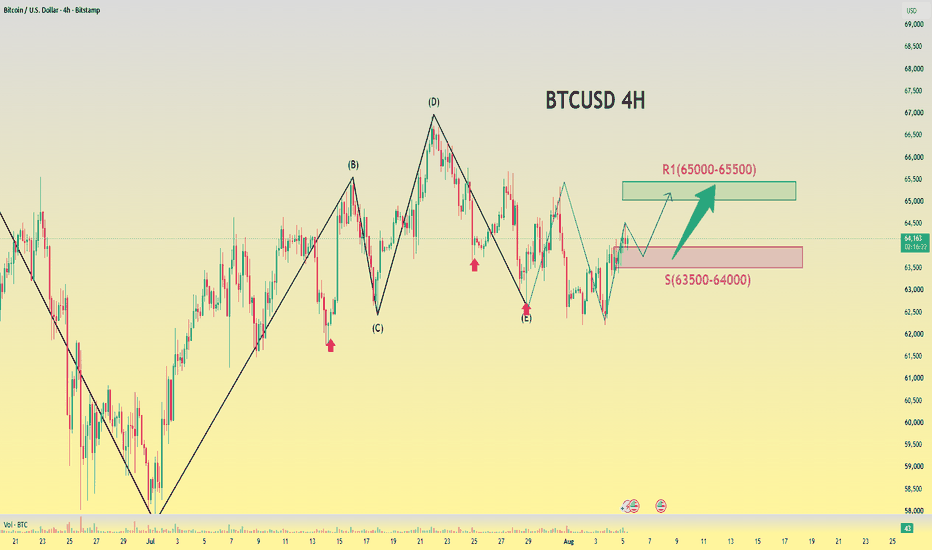
Rationale Supporting the Bullish Case
(An in-depth analysis of bullish factors based on the latest developments)
1. Geopolitical tensions in the Middle East ease + Oil prices plummet; inflation concerns cool, and macro risk appetite recovers
Expectations regarding continued shipping through the Strait of Hormuz are gaining traction, while a sharp drop in crude oil prices alleviates energy-driven inflation pressure and reduces the risk of the Federal Reserve being forced into further aggressive rate hikes, thereby boosting global risk appetite. With US stocks repeatedly hitting all-time highs—and Bitcoin showing strong correlation with US tech assets—the market has benefited from improved sentiment. Bitcoin successfully stabilized above the key psychological level of $64,000; earlier pessimism has been effectively reversed, buying support at lower levels has strengthened significantly, and the potential for a deep sell-off has been effectively capped.
2. Concentrated short-covering from low-level positions creates a short-squeeze effect
As the price rebounded from the $63,000 area, stop-loss orders for low-level short positions were continuously triggered; this forced buying pressure propelled the price upward, providing ample momentum for a short-term rally. Until the liquidation of short positions is complete, downside pressure remains limited; provided key support levels hold, there is continued potential for the price to test resistance levels in the short term.
3. Support structure transition: The $63,400–$63,600 zone has shifted from resistance to strong short-term support
Yesterday’s price action saw strong buying support whenever the price retraced to the $63,400–$63,600 range. This zone has completed a role reversal between bulls and bears, becoming the core defensive area for short-term bulls. Meanwhile, the bottom of the medium-term trading range lies at $62,700–$63,000, serving as the most critical support zone for this pullback. As long as this range is not decisively broken, the structure of a wide-range upward oscillation—initiated from the lows—remains intact, preserving the medium-term consolidation pattern.
4. Long-term "whales" maintain locked positions; spot selling pressure remains limited
Large holders are keeping their coins off the market, and exchange spot inventories remain low; there are no signs of large-scale institutional sell-offs, and the market faces no risk of a systemic collapse. Even if short-term rallies face resistance and pull back, the decline is likely to be relatively moderate, avoiding extreme, one-sided crashes. 5. Market sentiment remains in the "fear" zone; there is no overheating or bubble.
The Fear & Greed Index stands at just 38—well short of the "greed" phase—indicating that the current rebound has not triggered a frenzy of chasing prices among retail investors. Consequently, the risk of short-term speculative bubbles is low, the potential for a market pullback remains relatively manageable, and a rapid collapse driven by overheated sentiment is unlikely.


