
Is The Brazilian Real Ready To Reshape Global FX Markets?
Macroeconomics and Financial Market Dynamics
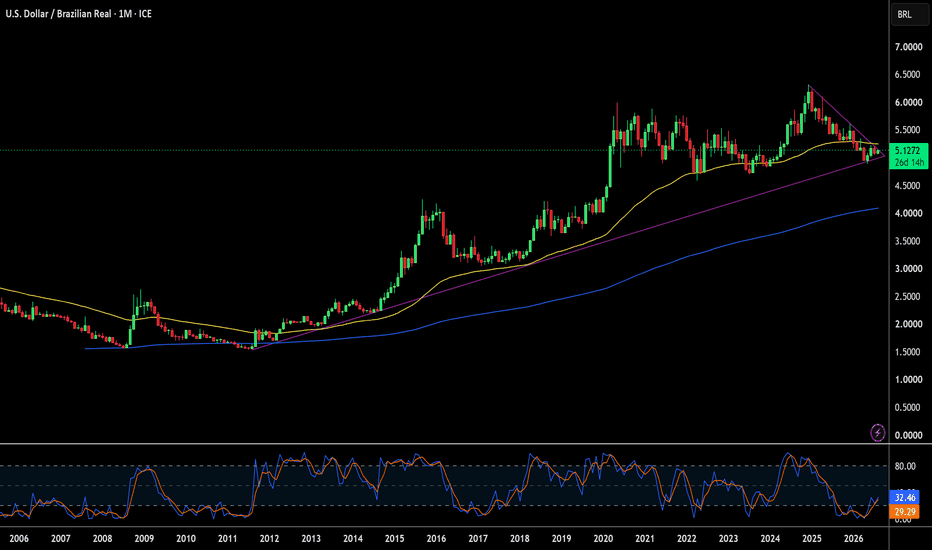
The USD/BRL currency pair trades near 5.13 in August 2026. Brazil experiences cooling inflation alongside softer industrial output metrics. June industrial production fell more than consensus forecasts expected. This economic decline strengthens arguments for future monetary policy easing. However, high domestic interest rates continue to support the real. The lucrative interest rate spread shields the currency from severe depreciation. Rabobank analysts warn that fiscal risks still create medium-term pressure. Upcoming political elections also induce caution among global foreign exchange traders.
Geopolitics and Geostrategy
Brazil actively leverages its influential position within the BRICS alliance. The country maintains balanced diplomatic relations with major global powers. Strong agricultural exports attract steady foreign currency inflows consistently. Geostrategic commodity dominance provides significant leverage in international negotiations. Global trade diversification reduces total dependence on single export markets. Foreign investors monitor policy shifts to assess long-term currency stability.
Industry Trends and Energy Sector Realities
State energy giant Petrobras halted a one billion dollar pipeline project. Regulatory uncertainty prompted management to suspend feasibility studies temporarily. Energy infrastructure challenges impact foreign direct investment projections directly. Meanwhile, commodity exporters adjust corporate strategies to currency volatility. Strong global food demand helps offset energy sector investment slowdowns. Mining and agriculture remain vital anchors for Brazil’s trade balance.
Technology, High-Tech, and Patent Analysis
Brazil leads Latin America in financial technology adoption and digital payments. The Pix instant payment platform transformed domestic commercial transactions completely. Central bank digital currency initiatives advance through rigorous technical testing. Recent patent filings highlight a surge in financial encryption technologies. Domestic tech innovation accelerates capital velocity across the local economy. High-tech adoption lowers transaction costs for consumer and enterprise users.
Cybersecurity and Evolving Business Models
The expansion of digital payments creates new operational cybersecurity demands for banks. Financial institutions deploy artificial intelligence to detect fraudulent transaction patterns. Advanced biometric verification protects mobile banking platforms from external breaches. Modern banking business models prioritize low-cost, digital-first financial services. Secure transaction networks protect billions in daily interbank settlements. Cyber resilience strengthens public trust in modern electronic financial systems.
Science and the Pharmaceutical Sector
The pharmaceutical industry relies heavily on imported active chemical ingredients. Currency fluctuations directly alter production costs for local drug manufacturers. A weaker real elevates drug import expenses for healthcare providers. Consequently, life science firms utilize sophisticated financial hedges continuously. Brazilian research institutions require stable currency rates to acquire foreign scientific equipment. Scientific advances in agriculture help boost overall export efficiency significantly.
Management, Leadership, and Corporate Culture
Central Bank leadership maintains a disciplined approach toward monetary stability. Policymakers balance inflation control against slowing domestic economic growth. Corporate executives across Brazil adopt aggressive risk management strategies. Innovative corporate culture encourages continuous adaptation to macroeconomic volatility. Leadership teams focus on operational efficiency to preserve profit margins. Effective governance reassures foreign capital allocators evaluating Brazilian assets.
