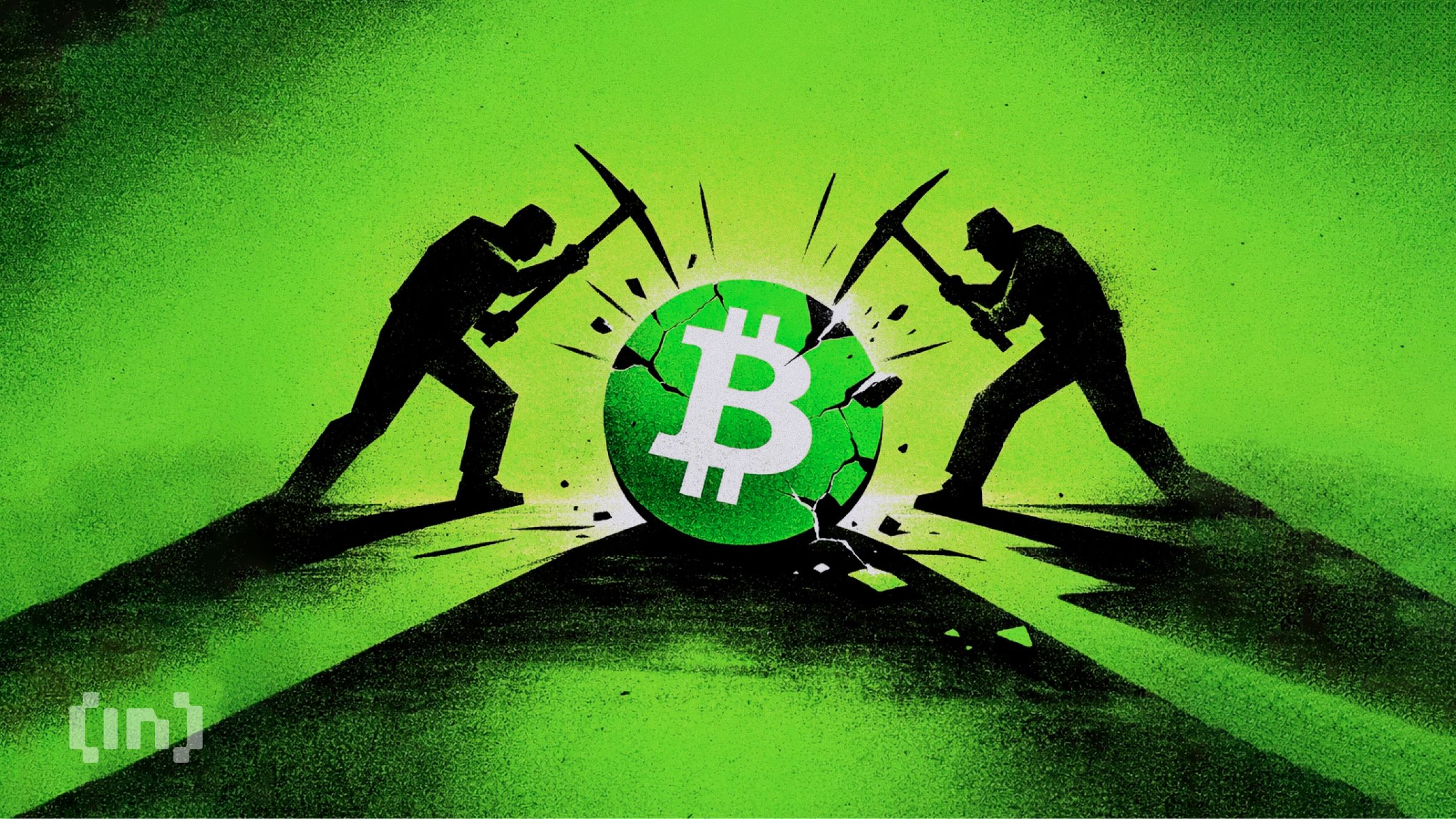
David Schwartz, the former chief technology officer at Ripple, says Bitcoin miners who attempt a double spend would hand the network an easy weapon. The community could fork the chain and change the mining algorithm.
He posted the argument on Wednesday, answering a user who questioned whether most mining nodes actually behave honestly. Schwartz framed his reply around incentives rather than trust.
How Bitcoin Economic Nodes Keep Miners Honest
Satoshi Nakamoto’s original design leans on an honest majority. The whitepaper says the longest chain wins, and that honest nodes outpace attackers while they control most of the computing power. Miners supply that power. However, they do not decide alone what counts as valid Bitcoin.
Economic nodes hold the other half of the bargain. Exchanges, custodians, wallets and payment firms run software that accepts or rejects blocks. Therefore, a mining cartel that rewrote history would still need those operators to follow along.
That leverage is practical rather than theoretical. Exchanges decide which chain credits a deposit, and merchants decide which chain settles a payment. Miners earn nothing on a chain nobody values.
Schwartz spelled out the consequence in his reply on X.
Application-specific integrated circuits, or ASICs, compute only one hashing function. Consequently, a switch away from SHA-256 would strand warehouses of machines and gut their resale value.
The space heater line points at a blunt truth about mining rigs. A machine that cannot mine still draws power and still throws off heat. It simply stops earning anything. Miners have sunk billions into that hardware, so the threat carries real weight.
Incentives Look Weaker Than the Theory
The argument lands during a rough stretch for mining economics. Hash rate has slumped for a record nine months as miners pivot to AI. Difficulty also turned negative for only the second time.
Recent governance fights have tested the theory. Backers of BIP-110, a proposal to restrict certain transaction types, pushed a minority chain that stalled after two blocks. That camp now targets September 1 for its own proof-of-work change.
Mining pool OCEAN drew fire in the same episode after redirecting customer hashrate without clear consent. Miners then called for leadership changes at the pool. Meanwhile, Schwartz dismissed the attack claims circulating around that fight as nonsense.
Not everyone shares his confidence. Cyber Capital founder Justin Bons argues that a shrinking security budget raises 51% attack odds over the next decade. Former Meta engineer Patrick Shyu points to decaying miner rewards as a comparable threat.
So the deterrent rests on economic nodes reacting fast and in unison. Whether that coordination holds under real pressure stays untested.
The post Ripple Ex-CTO Says Cheating Turns Bitcoin Miners’ ASICs Into Space Heaters appeared first on BeInCrypto.